
Over the past decade, software has gradually moved away from ownership and toward subscriptions and data exchanges. Today, it seems the choice is frustratingly simple. You either keep paying to use the tools you need, or you give up your data. Neither option feels right to me.
That tension has been growing for some time, but recently it became more difficult to ignore. Microsoft has faced criticism for pushing AI Copilot deeper into its operating system without a clear way to fully disable it. It’s hard not to think that others will likely follow.
That was when it hit me. I began to wonder if there was a way off this treadmill. I wanted to avoid not just subscriptions but also return to owning the software I use.
Around that time, I found my old 2012 MacBook buried in a closet. It had collected dust for years, but it felt like a chance worth taking. I turned it on out of curiosity. Within minutes, it was clear the machine was barely functioning.
I started searching online and stumbled upon a discussion on Reddit. Someone had mentioned reviving an old Intel Mac with Linux. I had always thought Linux was meant for developers or those who enjoy spending hours tinkering just to make things work. It turns out I was mistaken.
All it took was a USB drive and a downloaded ISO file. I chose Linux Mint, an Ubuntu-based distribution, and quickly felt excited. The idea of running a clean, lightweight system without built-in AI features or constant nudges toward subscriptions was refreshing.
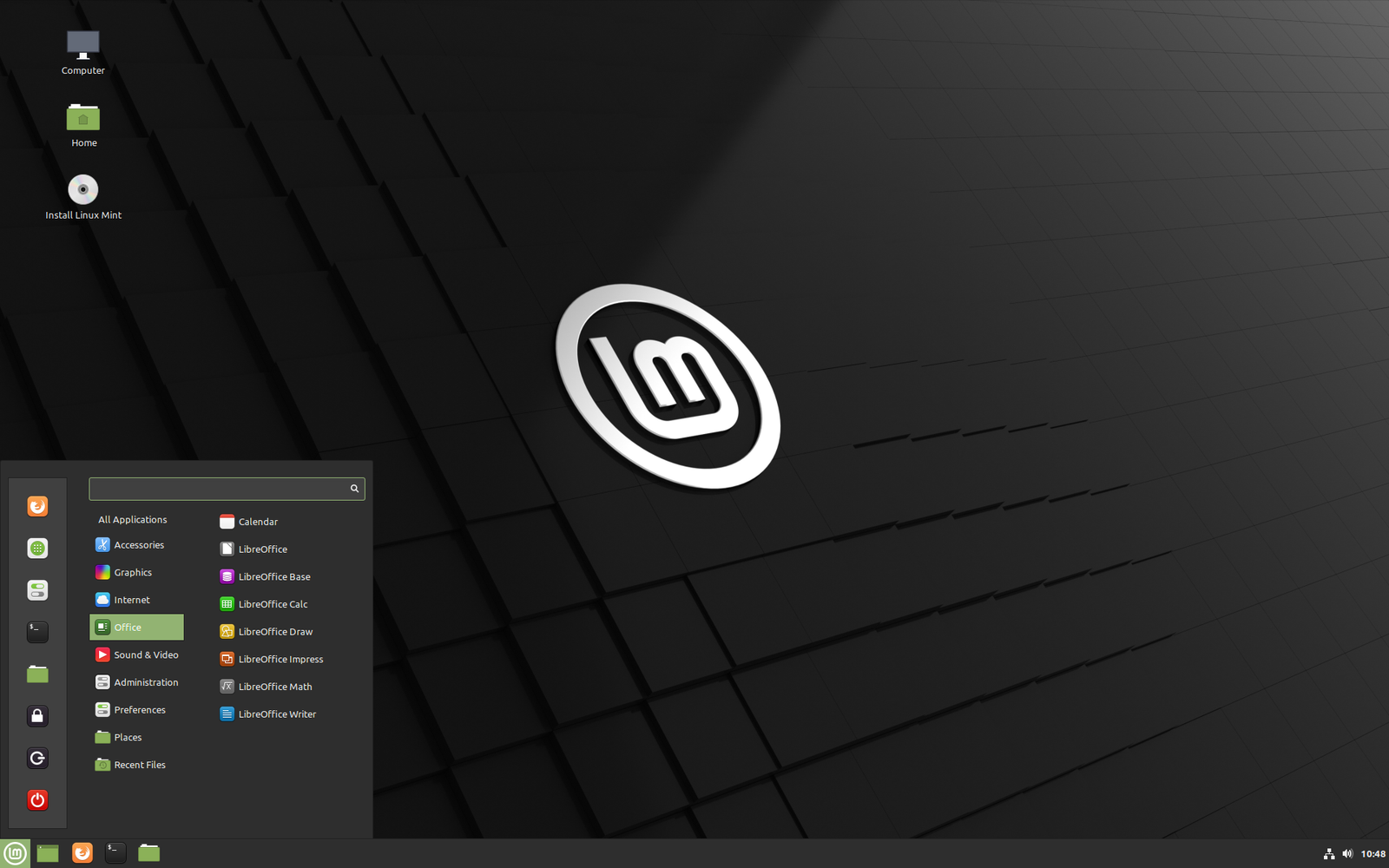
The installation process was straightforward, but it wasn’t entirely smooth. At one point, I hit a snag when the laptop wouldn’t connect to Wi-Fi. After going through some old forum posts, I discovered I was missing a driver. It took some patience, but getting it to work felt oddly rewarding.
Once everything was up and running, I began to explore. I adjusted the interface, played with different settings, and tried some built-in apps. GIMP handled image editing better than I expected, and LibreOffice managed all the basics without any hassle.
What surprised me the most was how intentional everything felt. There was no clutter, no constant upselling, and no sense that the system was working against me. It was just a computer doing what I needed it to do.
If you’re looking for a simple, minimal operating system with a clean interface and complete control, Linux is definitely worth a try. It offers the kind of experience I hoped to find when I first started questioning the direction of modern software. It’s not my daily driver right now, but I’m eager to see what I can turn it into.
